
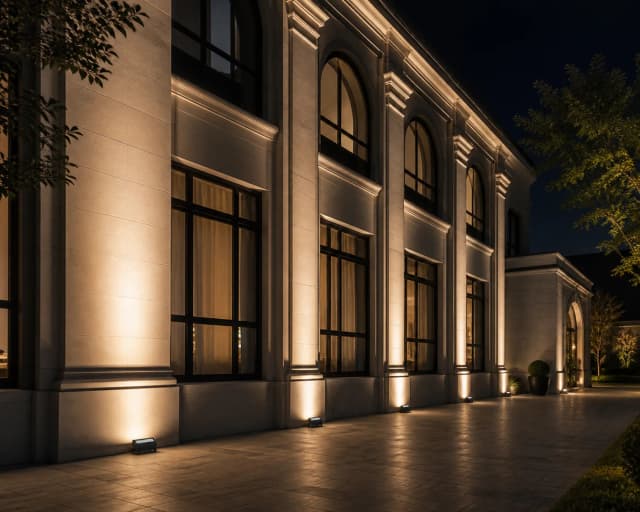
Consultative sales support
The front-end commercial role is meant to clarify fit, scope, and next steps rather than simply route requests into a generic quote queue.
 OULA LIGHTINGSearch the site
A team page that explains who supports each stage of the project.
This page should make it clear how sales, technical coordination, production follow-through, and after-sale communication connect.
This page should make it clear how sales, technical coordination, production follow-through, and after-sale communication connect.
Instead of generic brand language, this page should show the functions customers interact with as projects move forward.
Instead of generic brand language, this page should show the functions customers interact with as projects move forward.
Customers should quickly understand which part of the organization handles pre-sale questions, technical coordination, order follow-through, and repeat support.
The first layer helps customers clarify fit, scope, timing, and whether the request belongs to a standard product path or a customized one.
Engineering and product review become visible when the request needs customization, specification alignment, or deeper technical discussion.
Production, shipment, and repeat-order support keep the project moving after the commercial direction has already been set.
A stronger team page shows the roles that customers actually touch during quoting, technical clarification, production, and support.
The front-end commercial role is meant to clarify fit, scope, and next steps rather than simply route requests into a generic quote queue.

When the project needs non-standard branding, housing, configuration, or technical review, the team can bring those discussions in early.
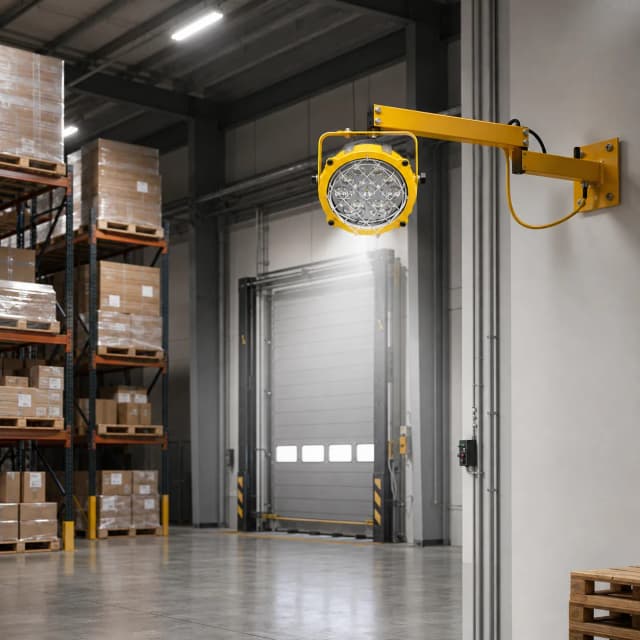
Operations support keeps schedules, release decisions, and shipment readiness connected to what was actually approved and sold.

Follow-up does not need to start from zero when the same project context can be carried into repeat orders or support questions.
Projects slow down when every stage has to be re-explained. The operating model is built to keep ownership clearer as scope moves forward.
Each phase should have a clear owner, whether the customer is still narrowing fit or already discussing a more specific production path.
Technical, commercial, and production questions are brought together sooner when they materially affect the quote or delivery outcome.
The team aims to reduce loops, repeat explanations, and last-minute surprises so the customer can keep momentum on the project side as well.
These pages explain how OULA organizes manufacturing, quality, people, events, and long-term project support around the same customer-facing promise.
See how OULA combines product range, project judgment, and consistent follow-through for buyers who need more than a catalog.
Open pageLearn how OULA supports international projects that need specification alignment, documentation, and communication.
Open pageSee how product launches, partner meetings, and in-person demos feed back into stronger market support.
Open pageWe will route the inquiry based on product category, customization level, company type, and timeline so the follow-up starts in the right place.